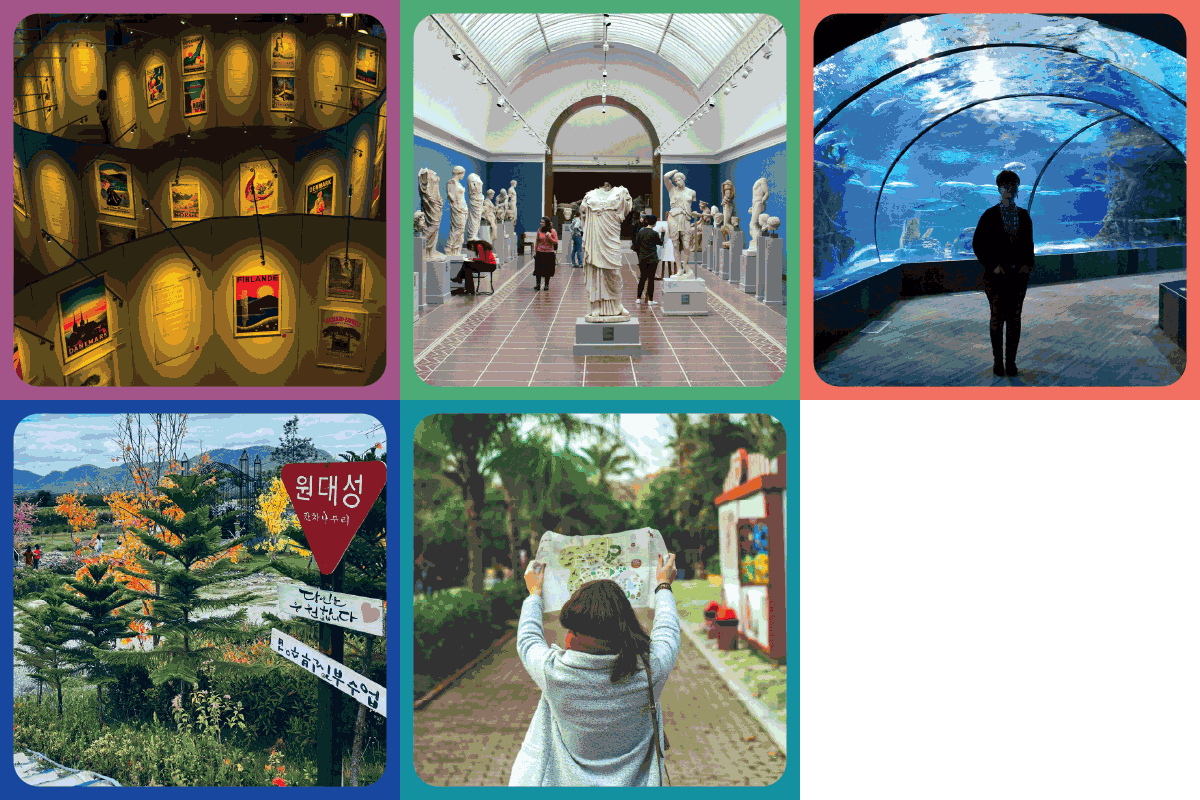
Museums.
Zoos.
Aquariums.
Gardens.
These aren’t just places to learn and explore: they’re spaces where communities connect, celebrate, and grow. And in our increasingly multilingual country, there’s incredible opportunity to increase visitor engagement among diverse audiences.
Why multilingual access matters
With nearly 22% of Americans speaking a language other than English at home, translation for cultural institutions is essential. In some major metros areas, the numbers are even higher – Chicago (36%), New York (49%), and Los Angeles (59%) – amplifying the potential impact of linguistically and culturally relevant content.
Multilingual access does more than translate information; it transforms engagement. It empowers parents to guide family visits with confidence. It ensures that cultural and scientific knowledge is shared equitably. And it invites deeper connection, reflection, and return visits.
When diverse visitors see their language reflected in signage, guides, audio and programming, they feel seen and valued. That feeling can make the difference between a one-time visit and lasting community trust.
Prioritizing language access sends a clear message: You belong here. And since 2005, Chicago-based Multilingual Connections has partnered with cultural institutions nationwide to foster belonging with diverse local communities and international visitors. We provide translation, transcription, subtitling, interpretation and bilingual research support – in 75 languages – with expert linguists who understand the importance of culture, language and nuance.
The practical realities:
Budgets, decisions & design
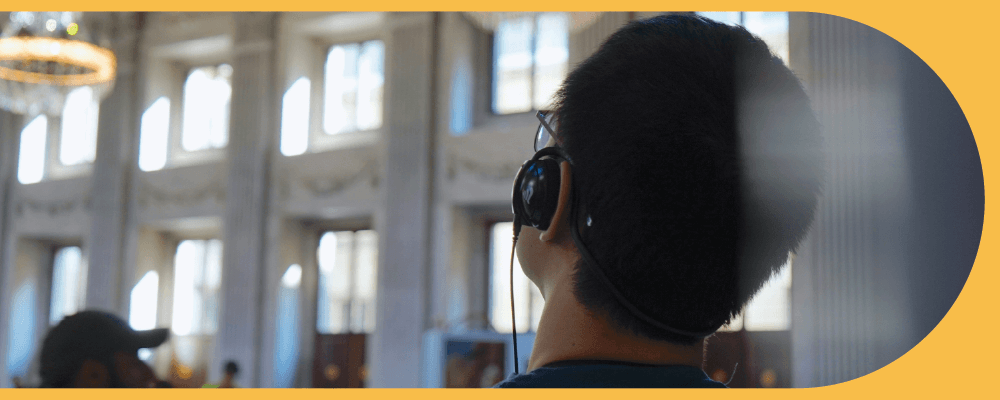
Translation isn’t just about exhibit labels. It can extend to audio guides, QR-linked mobile content, directional signage, brochures, digital interactives and live events – each an opportunity to connect more deeply with multilingual audiences. And it goes beyond the exhibit hall: ads, websites, membership materials and event promotions are all part of the visitor journey and deserve multilingual attention too.
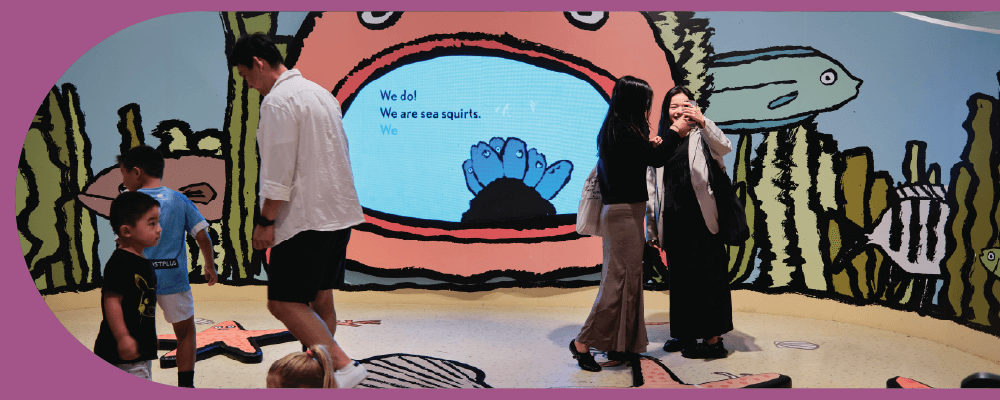
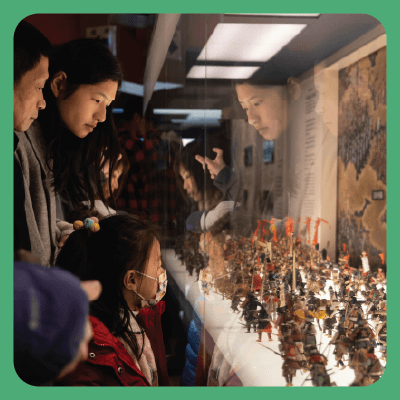
Whether your institution is showcasing Ming Dynasty ceramics, guiding families through a butterfly garden, or educating visitors about marine conservation, these experiences are richer and more inclusive when presented in the languages of your community.
But deciding what to translate and into which languages isn’t always straightforward. Resources are often limited, so institutions must focus on where translation can have the greatest impact. Key factors to consider include:
- Community languages: While Spanish is the most widely-spoken language in the US after English, if you’re located in Minneapolis, for example, you might also consider translating to Somali or Hmong to connect meaningfully with local communities.
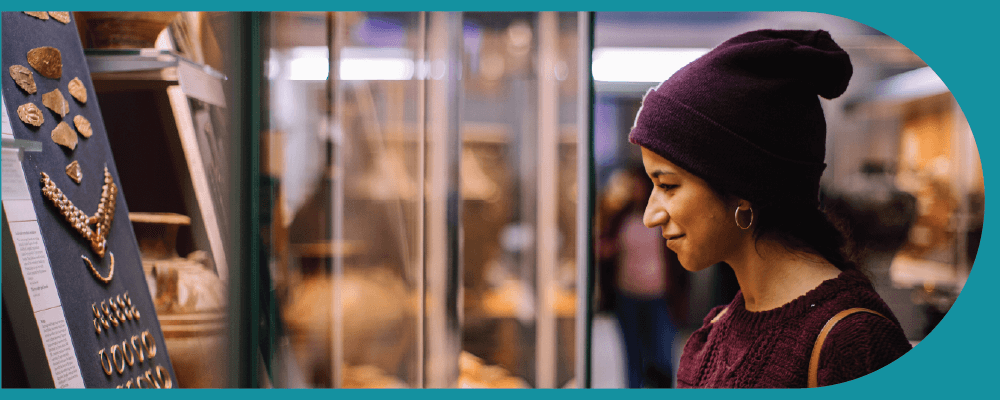
- Cultural relevance of the exhibit: Some exhibits may attract audiences with a direct cultural connection – for example, jade carvings from China may resonate more with Chinese-speaking visitors.
- Educational value: When budgets constrain the ability to translate everything, prioritizing the most popular or educationally significant exhibits ensures that translation benefits the greatest number of visitors.
In addition to which exhibits to translate, institutions must also consider how deeply to translate. For some, multilingual access might be limited to exhibit labels, panel texts and a general visitor guide. For those with larger budgets, translation can extend to include audio guides, video voiceovers, interactive media, QR-coded guides, brochures, websites, promotional materials, exhibition catalogs and more.
Best practices: It’s more than just the words
Successful multilingual engagement is as much about how you translate as what you translate. Based on our experience across museums, nature centers and cultural institutions, here are our top recommendations:
1. Involve translators early
Don’t treat translation as a final checkbox. Involve linguists early in the design phase so they can flag space limitations, cultural mismatches or unclear source texts.
2. Provide context
Context matters in translation. A label about “interlocking spires” makes a lot more sense if the translator sees the sculpture. Spatial understanding also helps with tour scripts, game logic or any interactive component.
3. Collaborate with curators
Specialized terminology or interactive games (like the tablet puzzle from Angkor: The Lost Empire of Cambodia) require deep collaboration to ensure accurate, functional and engaging translation.
4. Use the right dialect
Spanish for a U.S. audience should reflect usage in the local community, not European Spanish. Similarly, a French translation geared toward Canadian visitors should be done in Canadian French; otherwise, you may risk alienating the community you’re trying to attract. This kind of nuance builds trust and engagement.
5. Add a comparative review
A second linguist should perform a comparative read-through before launch to ensure accuracy, alignment and cultural relevance across languages.
6. Choose a partner you trust
Cultural translation is complex. Choose a language partner experienced with informal learning environments and cultural institutions and with a track record of nuanced, inclusive and community-aware translation.
Humans over machines – always
We’re often asked: “Can’t AI do this faster?”
And yes, AI tools can support the process – but they should never be the final step. Translation isn’t just about swapping words. It’s about navigating nuance, cultural reference points, regional dialects, humor, and even formatting challenges.
As we explored in our piece From Algorithms to Empathy, relying on AI alone can lead to serious errors. We’ve seen it miss context entirely, deliver awkward or inaccurate phrasing, and even change the intended meaning. A human in the loop, and especially one familiar with cultural content, is essential.
AI might help you start a translation. But only human translators can finish it in a way that resonates.
Language is about belonging – in every sense
When we think about language inclusion in museums and cultural spaces, it’s not just about which languages are offered – it’s also about how those languages are used. Many languages, from Spanish and French to Arabic and Hebrew, are grammatically gendered, which can make inclusive language choices challenging but no less important.
Even small, thoughtful adjustments can make a big difference. For example:
- In Spanish, replacing “los visitantes” with “las personas que visitan” (“the people who visit”) feels more neutral and welcoming.
- A family guide might say “visiting families” rather than “mothers and fathers,” reflecting many types of families.
- Wayfinding signage can replace gendered terms like “Mother’s Room” with “Parent and Caregiver Room” or adopt signage like “All-Gender Restroom” for broader inclusivity.
These small shifts help ensure that every visitor, regardless of language or gender identity, feels seen and respected. When we remove barriers in our words, we create space for deeper connection.
Words from our clients
We’re grateful for the relationships we’ve created with our clients. Hear what they have to say!

Working with MLC is very collaborative and partnership-driven. Each project feels like we are in it together – as if they want us to succeed as much as we do. The level of partnership really stands apart. The willingness to hold our hands through the first year, the flexibility with our unfolding processes – all of this separates Multilingual Connections from some other agencies that operate more as vendors than partners.


We chose Multilingual Connections because they had experience with translations of scientific and cultural text. The team listens and engages with us about the content, and isn’t afraid to ask questions. They’re quick to reply to emails, answer questions and get you what you need. It’s always a seamless process and the turnaround time is great.

Our goal was to get a good translation for the audience of our clients. In this case [we required] the Spanish that is spoken in the area of LA…the service was on top! The answers were very quick and it was a good collaboration.
Language is about belonging, connection and community, and getting translation right matters. Looking to connect your museum, garden, zoo, aquarium or cultural institution with a multilingual audience? Contact us to discuss how we can help!