Language data services for technology companies
Language data services help technology companies build products and AI systems that understand how people actually speak and write. That means voice assistants that recognize regional accents, chatbots that strike the right tone, and AI translations that say what the source said. Multilingual Connections helps product, UX, localization, and AI/ML teams get there with multilingual transcription, translation, annotation, and language quality evaluation in 75+ languages.
Our roots in linguistic anthropology and user research shape how we approach technology work. We combine human language expertise with practical technology tools so teams can build products and models that understand how people actually speak, write, and respond across cultures. Our broader translation and localization services connect with the same goal: accurate language that still feels human to the person on the other side of the interface.

From raw audio and text to AI-ready language data
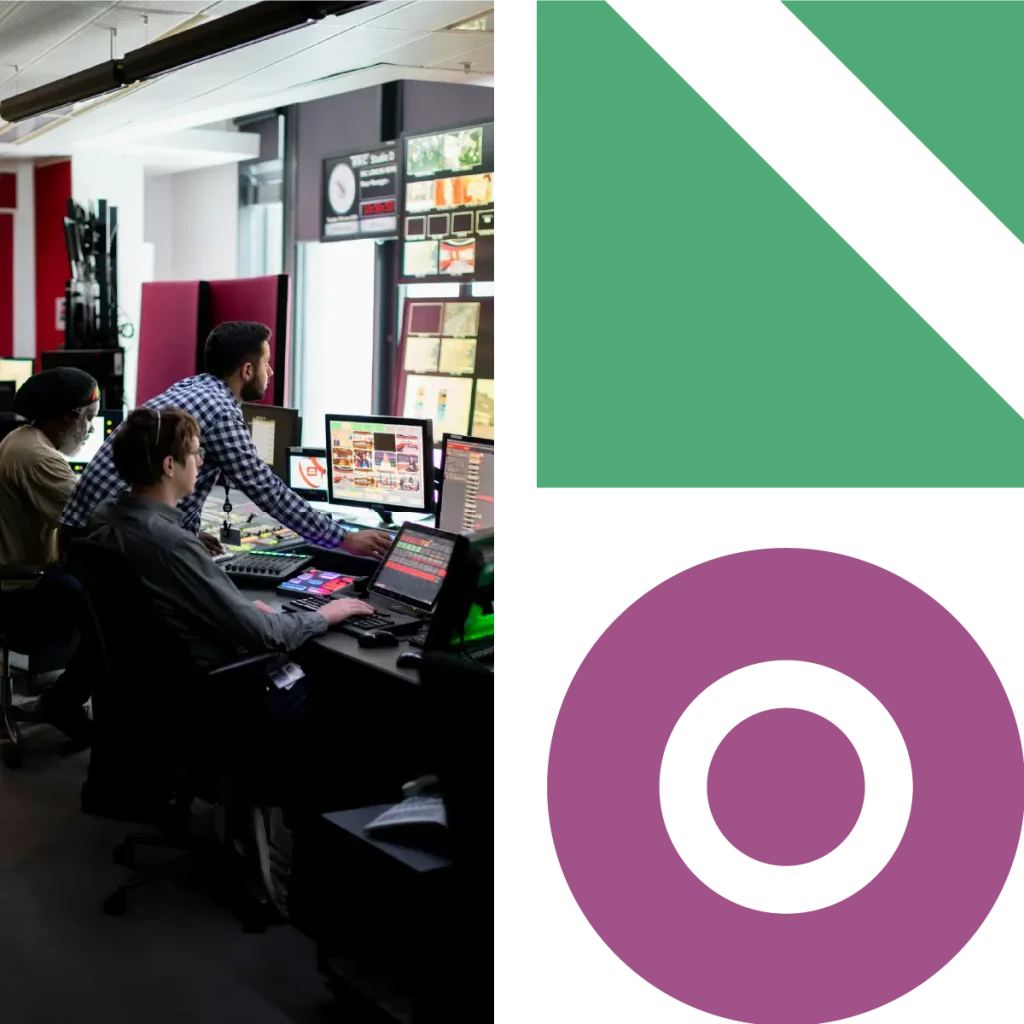
A model cannot learn much from a pile of unstructured recordings. We turn multilingual audio, conversational recordings, interviews, and text into language data that technical teams can use for training, evaluation, and research. Our transcription services convert speech into clear text, while language data specialists add the labels that give the content structure and context.
That annotation can include speaker identification, so a system knows who said what; entity tagging, so names, places, products, or other important terms carry consistent labels; and intent labeling, so teams can distinguish a request, complaint, question, or command. Depending on the project, teams may also need sentiment or other linguistic signals. Our Annotation Services support that deeper layer of language-data preparation.
Those technical labels matter because people eventually experience the behavior they help shape. If a transcript misrepresents a regional accent or an intent label misses what the speaker meant, a voice assistant can misunderstand the user who relies on it. Careful language data annotation helps keep the path from raw conversation to end-user interaction grounded in real language, not an oversimplified version of it.
Human review for AI-generated and machine-translated content
Fluent output can still be wrong. An AI-generated response may preserve the basic idea while missing tone, introducing an unsupported detail, choosing language that feels culturally off, or carrying bias that a surface-level automated check does not catch. For technology teams working at scale, those issues can become product issues very quickly.
We use language technology where it speeds the work, and we rely on human judgment where it matters. . Our multi-step review combines technology-assisted checks with native-speaking linguists who evaluate accuracy, tone, cultural appropriateness, consistency, and potential bias. Reviewers look at the content in context and flag patterns that deserve a product or language decision rather than treating every difference as a simple error.Our Language Quality and Evaluation work extends this review to multilingual product content and AI-generated language at scale.


Languages, dialects, and accents we cover
Speech data becomes less useful when it treats a language as if everyone speaks it the same way. We support 75+ languages and match linguists to the regional dialects and accents that matter for the target users. A Spanish-language dataset may need Latin American rather than European Spanish. English speech work may need reviewers who understand the regional or international accents represented in the recordings.
The same principle applies across conversational data, transcription, annotation, and quality evaluation. We scope the language variety at the start so the data reflects the people the product actually needs to understand.
Confidentiality and data handling
Technology projects often contain the material companies protect most closely: unreleased product features, proprietary training data, internal research, user conversations, and personally identifiable information. Every linguist on the project is NDA-bound, and we use confidentiality agreements and secure file-handling practices throughout .
Our project teams limit access to the people who need the material for their assigned work and follow the agreed handling requirements throughout the project. For product and research teams, that discipline safeguards user privacy, competitive information, and intellectual property while the language work moves forward.

Who we work with in technology
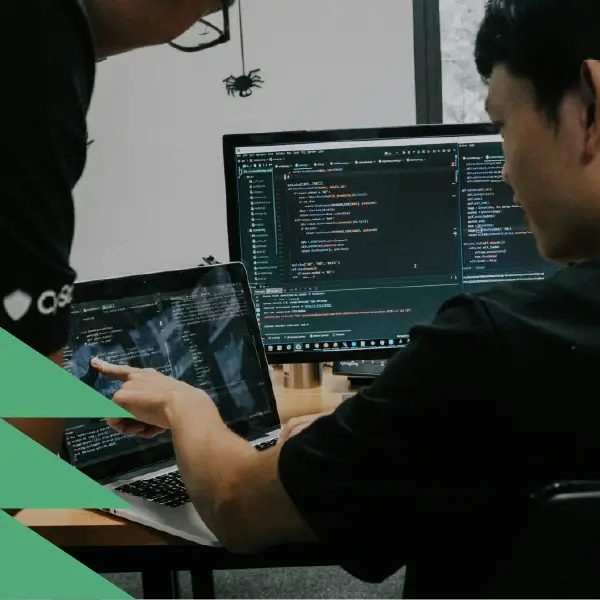
Our technology work usually starts with a product question rather than an industry label. AI and machine learning teams need multilingual data for model training and evaluation. Product and localization leads need language quality across interfaces and markets. UX researchers need trustworthy language support for global studies. Research operations teams need structured conversational data they can analyze without losing cultural context. When product discovery overlaps with user interviews or international fieldwork, our work also connects naturally with our qualitative research support.
Featured services

Transcreation
Capture the meaning of the source content, while rewriting and adapting the original copy for maximum audience engagement.

Voiceover &
dubbing
Tell your story in your voice, but in the language of your audience.

Website & app
localization
Engage your potential customers across the globe in their local language with our expert website localization solutions.

Desktop
publishing
Ensure your translations are print-ready with our expert design & typesetting services.
Why technology teams choose Multilingual Connections
For technology companies, language quality directly shapes product quality. A mislabeled intent, a missed regional accent, or an unnatural AI response can quickly affect how a real user experiences the product.
- We keep human expertise in the loop. Our teams use language technology to support speed and scale, while linguists and language data specialists catch bias, contextual errors, unnatural phrasing, and cultural mismatches.
- We connect language data to real communication. Our background in linguistic anthropology and user research helps us understand how people express intent, emotion, and meaning across languages, dialects, and cultures.
- We bring related language-data work together. Our teams can coordinate multilingual transcription, annotation, translation, and language quality evaluation within one workflow.
- We account for regional variation from the start. We match linguists to the relevant language, dialect, and accent so speech and conversational data better reflect the people who will use the product.
Request a quote
It all starts with a first connection. Tell us how our international network of linguists and dedicated project managers can help!
Frequently Asked Questions
What is linguistic data annotation?
Linguistic data annotation adds structured labels to text or audio so teams can train or evaluate AI and machine learning systems. Depending on the project, our language data specialists may identify entities, speaker turns, intent, sentiment, or other linguistic features that help a model interpret the content.
How do you evaluate the quality of AI-generated translations?
Native-speaking linguists review the output for meaning, tone, cultural fit, consistency, and potential bias. We can combine that human evaluation with technology-assisted quality checks to find recurring issues at scale and give product teams clearer information about where the output succeeds or fails.
What is the difference between transcription and annotation?
Transcription turns spoken audio into written text. Annotation adds structured information to that text or audio, such as speaker identity, entities, intent, or sentiment. Teams use those labels for analysis, model training, or evaluation.
How do you protect confidential product and user data?
Every linguist on the project is NDA-bound, and we use confidentiality agreements and secure file-handling practices to protect proprietary product information, unreleased features, and user research. We align access and handling requirements with the project so teams can share proprietary product information, unreleased features, or user research with appropriate controls.
How is multilingual data annotation priced?
Pricing depends on the type of work. We typically price transcription by the audio minute, translation by the word, and annotation by the [item, task, or hour], depending on how complex the labeling is. Number of languages, audio quality, label types, and review levels all affect scope. For larger projects, we often start with a pilot so both teams can confirm throughput, quality, and cost before scaling up.
Can you work in our annotation platform or tools?
Yes. Our language data specialists can work directly in your annotation platform, labeling tool, or internal system, following your existing workflows and access controls. [If your team doesn’t have a platform in place, we can also provide our own annotation environment.] During scoping, we confirm tool access, training needs, and any security requirements so work can start without delays.